

Blog
The Ultimate Guide for Canadian Car Owners: OEM vs. Aftermarket Parts

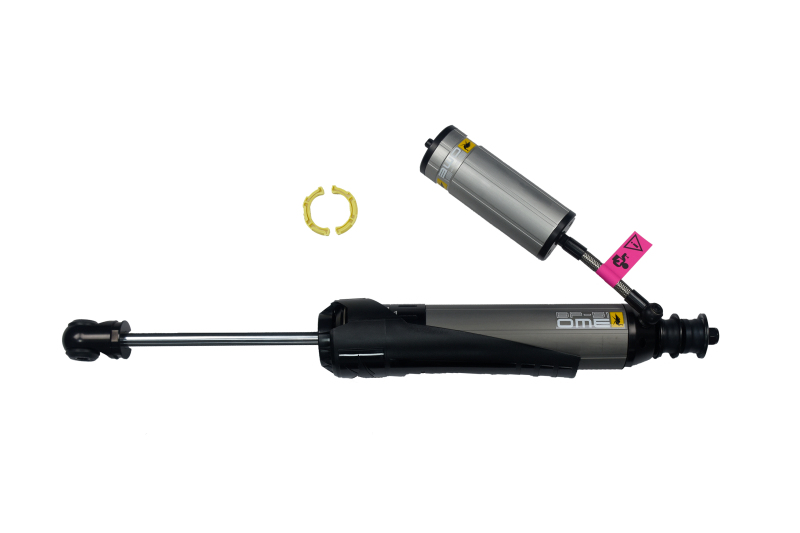
When your vehicle is in the shop, the estimate often presents a confusing choice for Canadian car owners: OEM vs. Aftermarket parts. Whether you are looking for genuine factory parts to maintain your warranty or considering third-party alternatives to save money, understanding this choice is essential. In this guide, we break down the pros and cons to help every Canadian car owner find the perfect fit for their vehicle and budget.
You’ll likely run into two main terms: OEM and Aftermarket.
But what do they actually mean, and which one should you choose for your repair? In this guide, we break down everything Canadian car owners need to know about OEM vs. Aftermarket parts, including the pros and cons of each.
What Canadian Car Owners Need to Know About OEM
OEM stands for Original Equipment Manufacturer. These are the “official” parts made by the company that built your vehicle. For many Canadian car owners, choosing OEM is about peace of mind and guaranteed fitment.
The Benefits of Genuine Parts
- Perfect Compatibility: OEM parts are designed specifically for your make and model.
- Warranty Protection: Using official parts ensures you stay compliant with manufacturer warranty standards set by Transport Canada.
- Simplified Selection: You don’t have to compare dozens of brands; there is only one “official” part number.
Why Canadian Car Owners Choose Aftermarket Parts
Aftermarket parts are produced by companies other than the original manufacturer. While they are often more affordable, Canadian car owners should know that quality can vary significantly between brands.
Pros and Cons of Third-Party Parts
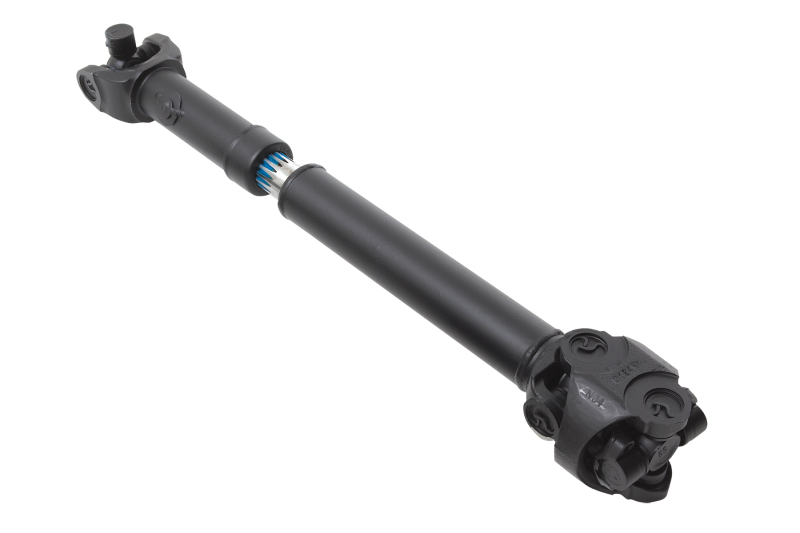
- Cost Savings: Aftermarket options are almost always less expensive than dealership prices.
- Availability: You can find these parts at most local shops or online retailers without waiting for a dealership order.
- Variable Quality: Some brands exceed OEM standards, while others may struggle with the harsh road salt and extreme cold that Canadian car owners face every winter.
Buying Aftermarket Parts.
Aftermarket parts offer a way to fix your car without the “dealership” price tag. While they look and act like the originals, quality can vary depending on the brand.
The Benefits of Aftermarket
Significant Savings: Aftermarket parts are almost always cheaper. Third-party manufacturers save on development costs and don’t carry the overhead of a major car brand.
Greater Variety: There are dozens of aftermarket brands. This gives you the freedom to choose based on your budget or even upgrade to a part that performs better than the original (common in performance or heavy-duty off-road parts).
High Availability: Most local Canadian auto parts stores keep a deep stock of aftermarket brands, making them easier to find for older vehicles.
The Drawbacks of Aftermarket
Variable Quality: Not all aftermarket parts are created equal. A “budget” part might not fit perfectly or could wear out faster, especially under harsh Canadian winter conditions.
Counterfeits and Cheap Imitations: Some low-end suppliers produce parts that don’t meet safety standards. This is particularly dangerous for critical components like brakes or suspension.
Confusing Part Numbers: Aftermarket brands often use their own numbering systems, which may not match your OE number, making it slightly harder to verify compatibility.
Which Should You Choose?
The best choice depends on your vehicle and your budget.
If you want the peace of mind of a perfect fit and a manufacturer warranty, OEM is the way to go. However, if you have an older vehicle or are looking to save money on non-critical components, high-quality Aftermarket parts are a fantastic alternative.
Get the Best of Both Worlds at PartsName.com
Want the quality of OEM without the “brand new” price? Consider certified used OEM parts. These are original components salvaged from vehicles, inspected for quality, and sold at a fraction of the cost.
Whether you are looking for a specific OE number or browsing by your Canadian license plate, we make it easy to find exactly what you need to get back on the road.
The Verdict for Canadian Car Owners
So, which should you choose? Most experts, including the CAA (Canadian Automobile Association), suggest using OEM for critical safety components like brakes and sensors. However, for cosmetic parts or older vehicles, high-quality aftermarket options are a great way to save loonies.
As Canadian car owners, the most important step is verifying your OE part number. This ensures that whether you buy original or third-party, the part will actually fit your car the first time.
Pro Tip: Always check for the “National Safety Mark” on critical components to ensure they meet Canadian Motor Vehicle Safety Standards.